Adrian Flux » Car Insurance » Page 6
Getting your motor insurance quote couldn’t be easier. Just tell us a few things about you and anyone else you would like to be covered to drive the car, as well as the car itself. We’ll then compare car insurance quotes for you.



We compare car insurance quotes from our panel of over [[ FLUX_INSURERS ]] insurers, ranging from household names to more specialist companies. Whilst some of the brands might be familiar to you, our relationships with them give us access to a number of schemes that you won’t find elsewhere. As a result, speaking with us directly usually results in a more competitive quote.



If you’re not sure what type of cover you need, you might be interested in taking a look at the other types of insurance we offer:
Financial Conduct Authority (FCA): we’re authorised and regulated by the FCA, which sets regulatory requirements for financial companies. This means you can remain safe in the knowledge that we’re held to a high standard.
TrustPilot reviews: we’re rated “Excellent” on TrustPilot, with over 36,000 reviews.
British Insurance Brokers Association (BIBA): We’re proud members of BIBA, which helps people and businesses find suitable insurance for their needs – like in this case study.

The cost of your car insurance depends on a number of factors, from the type of vehicle you own and how you use it to how long you’ve been driving and your driving history. As a result, it can be difficult to provide you with an estimate for how much your cover will be.
If you call us directly, we can give you a better idea of how much your insurance policy will cost. And with our best rates only available over the phone, you could get a great deal by calling.
Our insurance policies are tailored to your needs and budget, meaning your quote could look a lot different if you need particular services compared to someone who doesn’t.

The average cost of car insurance in the UK has decreased in recent months, with an annual decrease of around 7% according to a study by the Association of British Insurers (ABI). That being said, if you’re a younger or older driver, you might find that your insurance premiums don’t change much year on year. This is because motorists aged between 31 and 40, and 51 and 60, are the most likely to see the steepest declines.
Whilst you might not have to pay as much as you did in 2023 or 2024, when insurance costs were relatively high due to soaring inflation rates and vehicle repair costs, car insurance premiums still remain relatively high compared to previous periods.
The industry is doing all it can to continue reducing high car insurance premiums by working with the government to tackle these rising costs.
And if you do find that the cost of your insurance has increased in recent years despite not making a claim, speak with us directly as we might be able to help. As a specialist car insurance broker, we help our customers find the best car insurance policy to suit their needs and budget.
In many cases, the cheapest car insurance policy might not be suitable for your needs, but we understand that if you’re facing high insurance costs, you’ll want to know how you can save money. Note that our policies can be tailored to you, meaning you only pay for the features you need. We also offer discounts for the following – just let us know if any apply to you:

Did you know that [[ FLUX_AVG_SAVING ]] of all customers receiving an online quote in [[ FLUX_AVG_SAVING_DISCLAIMER_MONTH ]] could have obtained a cheaper car insurance quote if they’d called us? Our best rates are always available over the phone. Call 0800 369 8590 for a quote or request a callback and we’ll call you back at the time you specify.
We’re able to cover all types of drivers, including:

Chosen a car for its handling and acceleration? We can cover all types of performance vehicles, including nippy hot hatches, sports cars, convertibles, supercars, muscle cars, and more.

We understand that losing your pride and joy can be upsetting, which is why we offer cover to cars that have previously been written off and are now deemed roadworthy. We’re able to cover most insurance write offs, including Category A, B, N and S

Proud owner of a premium marque like Jaguar, Porsche or Aston Martin? Our specialist policies ensure your vehicle remains covered.

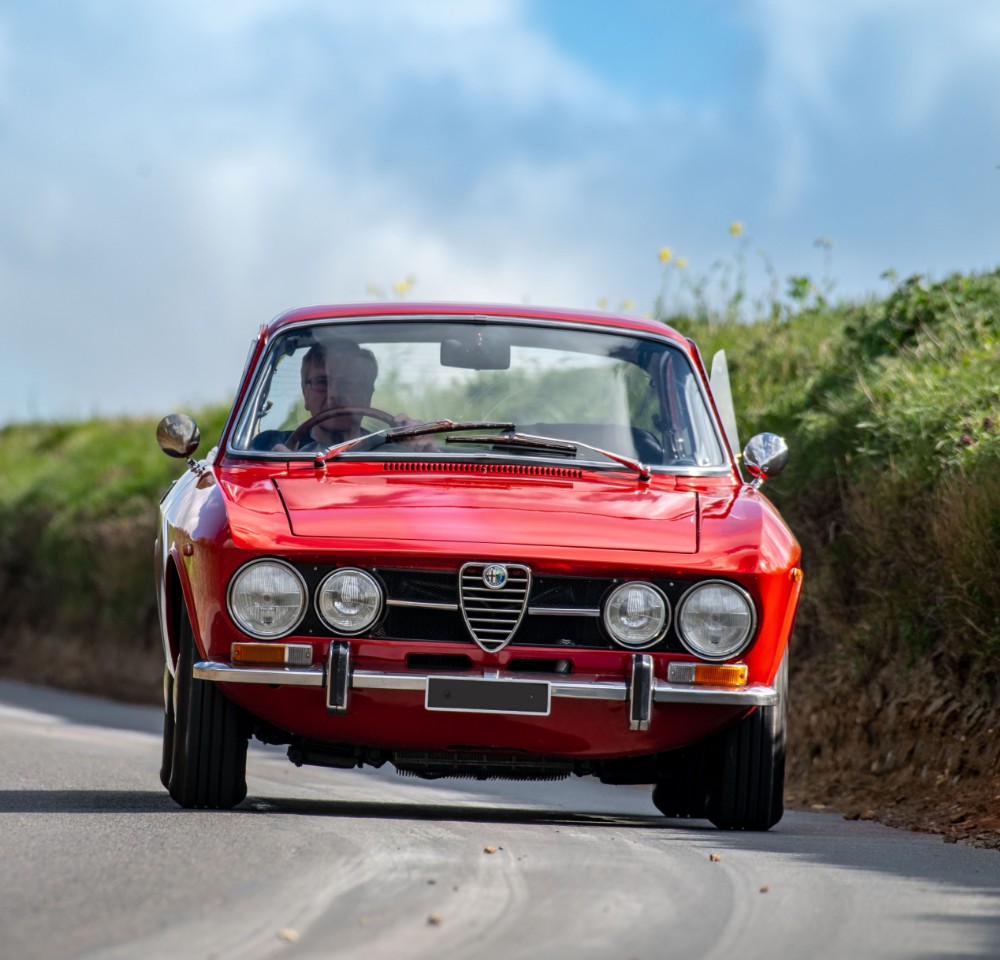
We can cover all types of classic and vintage vehicles, from pre-1920 cars all the way up to modern classics
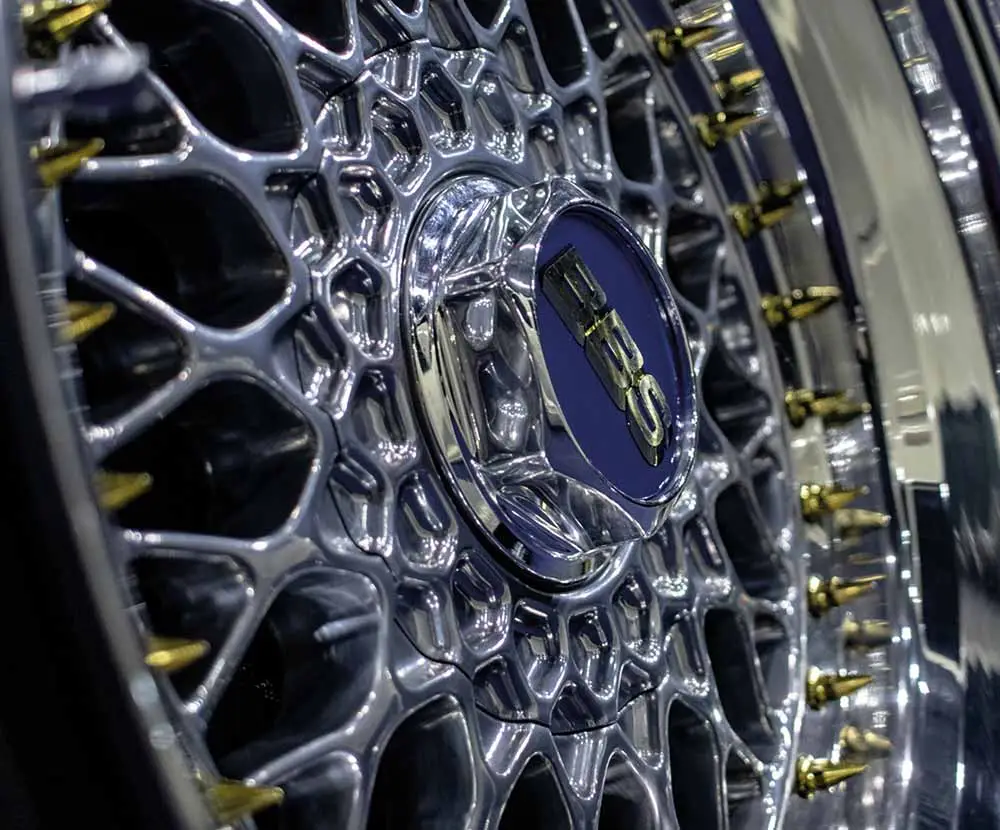
Whether you’ve built a kit car from scratch or customised your vehicle with performance or cosmetic modifications, we can usually help you find cover at an affordable price.
From American pick-ups and classics to Japanese performance cars, we can cover all types of non-domestic vehicles, including those that you’ve imported yourself. We’re also able to insure left-hand drives, Q-plates and vehicles on their chassis number if they’re not yet registered in the UK.
If you use your car for shows, track days, rallies or motorsport events, we can insure your vehicle while it’s being driven or transported to the track.
Our specialist policies allow us to cover a wide range of 4x4s for use on and off the road. From the latest Range Rover to the iconic Jeep, we can insure them all.
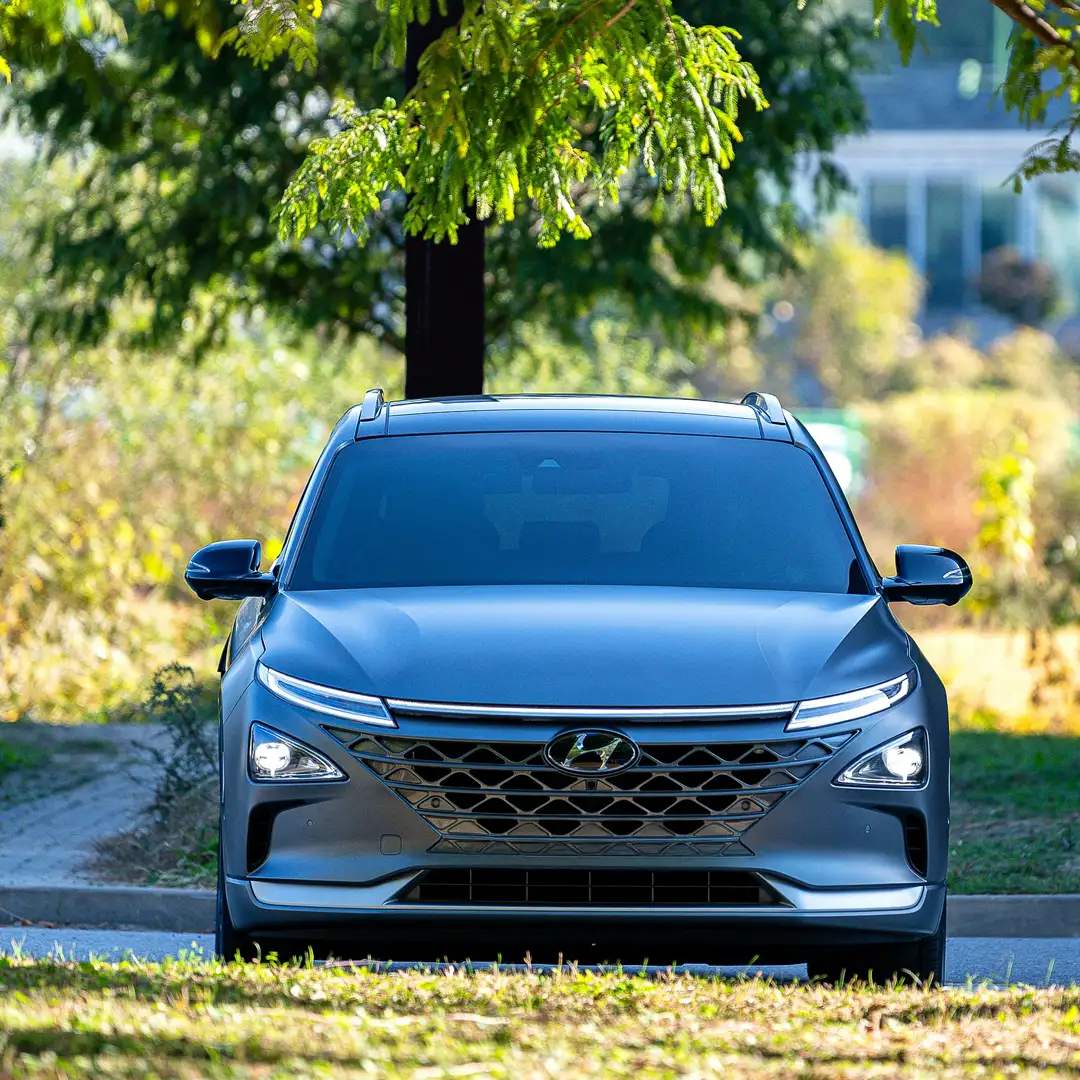
Whether you’ve purchased a hydrogen, electric, LPG or hybrid vehicle, we can find you cover at an affordable price.
If you’ve already taken out a car insurance policy with us and you need to review your cover, you can find all related policy documents here. If you’re not sure which provider you’re with, simply log into our customer portal to view your specific documents. Alternatively, call our customer care team on 0344 381 6502 and we’ll be happy to answer any queries you have.

The cost of your insurance doesn’t just depend on the car you choose, but it can have a big impact on the cost of your cover. In general, if you choose a vehicle in a lower car insurance group, this can help keep premiums low. Here are some of the cars you can find in low insurance groups:
A little-known industry secret is that classic cars are among the most affordable to cover. This is because many classic and vintage owners are car enthusiasts and are therefore more likely to look after their vehicles with the care and attention they deserve.
Choosing models that aren’t as well known or widely used can also help; the cost of your cover is all about how likely you are to claim on your insurance, so choosing a vehicle that isn’t widely bought can help reduce your premium further. Some of the most affordable classics and obscure models to insure include:
The Association of British Insurers (ABI) and the Lloyds Market Association (LMA) teamed up to create insurance groups for all the cars in the UK. These are used to provide car insurance companies with a top-level indication of how much it would cost to get each car repaired.
Insurance groups range from one to 50. As a general rule, the lower the insurance group, the more affordable your cover will be. If you haven’t yet purchased a car and you want to choose one that’ll be cheap to insure, aim to focus on cars in insurance groups between one and ten.
Of course, insurance groups don’t provide a complete picture on how much your car insurance premium will be; other factors affect your insurance costs, not just the car you drive. This includes your driving history, how you’ll use your vehicle, and more. To get the most accurate and competitive price, always use a car insurance comparison service like ours that takes all these factors into account.
There are tools online to give you an indication of which insurance group your car falls under. All you need to do is enter your car’s registration or search for your car model insurance group.
If you’re driving your new car home, you’ll need to make sure you’re covered for the journey. A short-term policy could be the best option while you sort out an annual policy.
There are many websites that will provide you with an estimate for your car’s market value; all you need to do is enter your car’s registration number, i.e. its number plate.
You can also look on websites that sell used cars and find your car model to gauge how much they’re being sold for. Try to find vehicles that have a similar mileage and are in the same condition as your car so the estimate is more accurate.
The easiest way to estimate your annual mileage is to record how many miles you drive on an average day, then times that by 365 to cover all the days in the year. It’s a good idea to add a buffer of around 500 to 1,000 miles to the figure you get to ensure you don’t accidentally underestimate the figure.
Yes, your annual mileage can affect your insurance quote. This is because drivers who spend more time on the road are often seen as a higher risk by insurers as they’re statistically more likely to be involved in an accident and therefore more likely to make a claim.
Car insurance excess is the amount of money you have to pay towards a claim on your insurance. This is split between compulsory excess and voluntary excess. Whilst the compulsory excess is set by the car insurance company, you can choose how much voluntary excess you’d like to pay on top of this.
A no claims bonus (NCB) is a type of discount that’s applied to your car insurance for every consecutive year you don’t make a claim on your insurance. The more years you’ve been driving without making a claim, the cheaper your cover will be. Most insurers will cap the discount after you’ve built up your bonus for nine years.
Whether you pay annually or monthly depends on your financial situation. If you’re in a position to pay annually, this is usually the best way to get the cheapest car insurance premiums possible, but monthly payments can help you spread the cost of your cover.
Most insurers will charge administrative fees if you make any changes to your policy while it’s active. This includes:
Yes, job titles are considered when calculating your insurance policy because this can affect how you use your vehicle and how often you use it. If you think your career is negatively impacting your insurance premium, speak to us as we can often help.
Yes, most insurers will perform a “soft” credit check when you get a car insurance quote. If you decide to pay monthly, they might also perform a “hard” check to ensure you’re in a position to cover the payments.
Legal cover on your car insurance can be helpful in protecting you financially. This is because it covers legal fees if you get into an accident that wasn’t your fault. Rest assured that all our car insurance policies come with £100,000 worth of cover for legal fees as standard.
If you use your vehicle for business-related purposes, it’s likely you’ll need a specific business car insurance policy, yes. However, if you simply use it for commuting purposes, you can take out a regular car insurance policy with commuting cover included.
Yes, this is quite common, especially if you share a vehicle with your spouse or your child is learning to drive. If two drivers need to use the same car, we can cover you both.
Taking out two policies on the same car instead of adding a named driver to your policy can give you added protection as it won’t affect your insurance premium if they need to make a claim. If the other person is added as a named driver on your policy and they need to make a claim, your premium is likely to increase.
If you own the second vehicle, you should take out multi-car insurance to cover both.
If you do not own the second vehicle and are borrowing a friend or family member’s car, you should check your insurance policy documents to find out if you’re covered.
In most cases, if you’ve taken out comprehensive car insurance on your own car, this can often provide third party only cover on other vehicles, but it’s best to check your policy documents first. If you require fully comprehensive cover on other vehicles for peace of mind, we offer drive any car insurance, which boosts third party cover to fully comprehensive.
No, you still need insurance when driving a SORN car to your MOT. A good option for this is to take out short-term car insurance for the duration you need it.
As long as you apply for a Statutory Off-Road Notification (SORN), you are not under any legal obligation to insure your vehicle while it’s not in use. However, you might want to still consider taking out SORN cover, which insures your vehicle against fire, theft and damage while it’s in storage.
Yes, our car insurance policies usually include European cover for up to 90 days as standard. We can also cover longer trips – let us know if you’re interested in this.
This really depends on your insurance policy – you’ll need to read the fine print to know whether your insurance is still valid without tax. That being said, even if your insurance is valid, your car isn’t roadworthy until it’s taxed.
There are some cars that don’t require tax, but in most cases you still need to apply for vehicle tax exemption before you stop paying. Examples of eligible vehicles include:
No, you generally need to take out insurance before you’re able to tax your vehicle.
You can use the government website to check whether your vehicle has been taxed, as well as other details about your car.

The easiest way you can find out which car insurance provider you’re with is to check your emails. Use the search feature to type in terms like “car insurance” or “insurance policy”.
Alternatively, if you’ve kept documents of your car insurance policy, these will tell you which provider you’re with.
The easiest way to tell if your vehicle is insured is to enter your Vehicle Registration Number (i.e. your number plate) on the Motor Insurance Database (askMID). This checks whether the vehicle is on the car insurance database.
The easiest way to find out when your car insurance is due to expire is to check your policy documents. It’s a good idea to make a note of this date so you know when the expiry date is coming up.
You’ll probably also get some form of notification from your car insurance company in the lead up to your policy expiring. The communication method will vary depending on how you requested them to contact you. Text, email, or phone call are the most common forms of contact.
Renewing your car insurance early – around 20 to 30 days before your current policy is due to run out – usually works out as the most affordable option. You can set your new policy to start the day after your current policy is due to run out. This also gives you ample time to do a thorough car insurance comparison to ensure you’re getting the best deal for your needs.
This depends on the insurer; whilst some quotes are available for 30 days, others must be “locked in” a few days after you get the quote.
Most policies will have a “cooling off” period of 14 days after you take out the policy, meaning you can cancel the policy and get a refund (minus the days the policy was active).
Yes, you can cancel your car insurance, but doing so can mean you have to pay a penalty.

If you’re insured through us, all you need to do is call our claims hotline to discuss your situation with one of our specialists. Our claims lines are open 24 hours a day, seven days a week.
Yes, you should let your insurance provider know when you’ve been involved in an accident, regardless of who was at fault and even if you don’t want to make a claim.